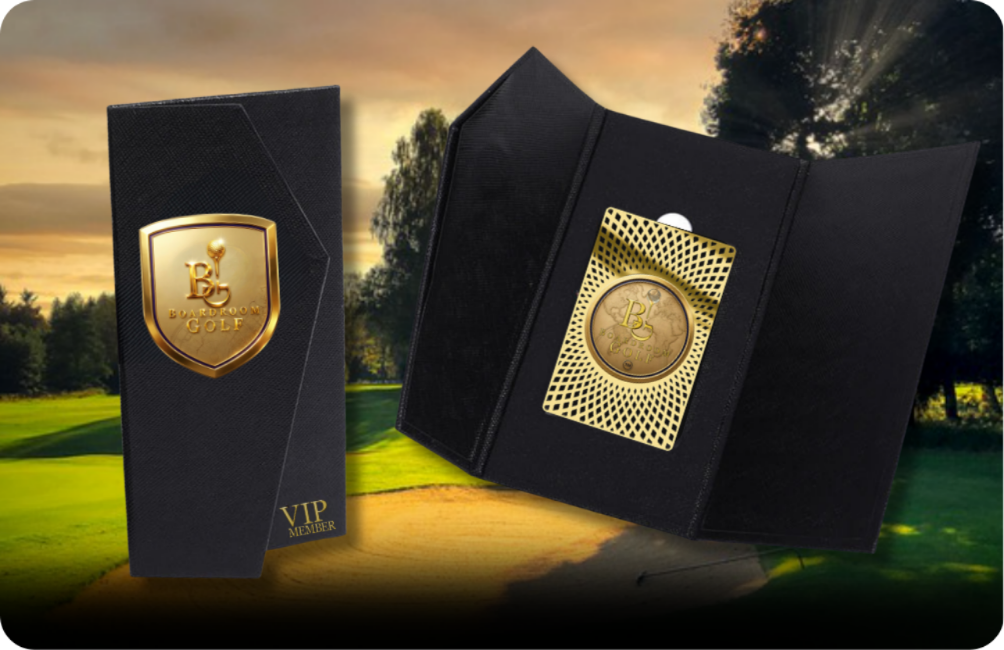
There was a time when networking was simple: shake hands, swap paper cards, follow up… maybe. Then the first “upgrades” arrived – premium stocks, spot gloss, letterpress – and suddenly a business card wasn’t just contact info. It was a signal.
Then virtual business card has changed the standard again. They didn’t just look different, they feel different. The weight, the edge, the unmistakable clink when it hits the table. In a world full of forgettable exchanges, our metal cards make introductions memorable – and memorable doesn’t get tossed.
Now we’re in the next shift: digital business cards, QR codes, instant contact sharing. It’s fast. It’s exciting. But here’s the real question: does it last?
Because speed is great, until you’re just another name saved in someone’s phone. Another contact they scroll past later and think, “Wait… who’s Kevin?”
A digital exchange is efficient. A physical exchange is emotional.
When you give someone a card, you’re creating a tiny, memorable moment:
- A brief pause in the conversation
- A gesture of confidence
- A physical reminder that you showed up with intention
That’s why business card etiquette still matters. It’s not about tradition — it’s about being remembered.
And it’s also why our metal business cards have become the modern standard for people who refuse to be forgettable.
They’re premium without being stiff. Bold without being loud. And they instantly elevate how you show up at meetings.
The best etiquette today isn’t “paper or digital.” It’s knowing when to hand over something physical, when to hold back, and how to use modern tech without losing the human moment that makes introductions stick.